العربية

AI Voice Cloning: A Technological Revolution or an Ethical Threat to Human Talent?

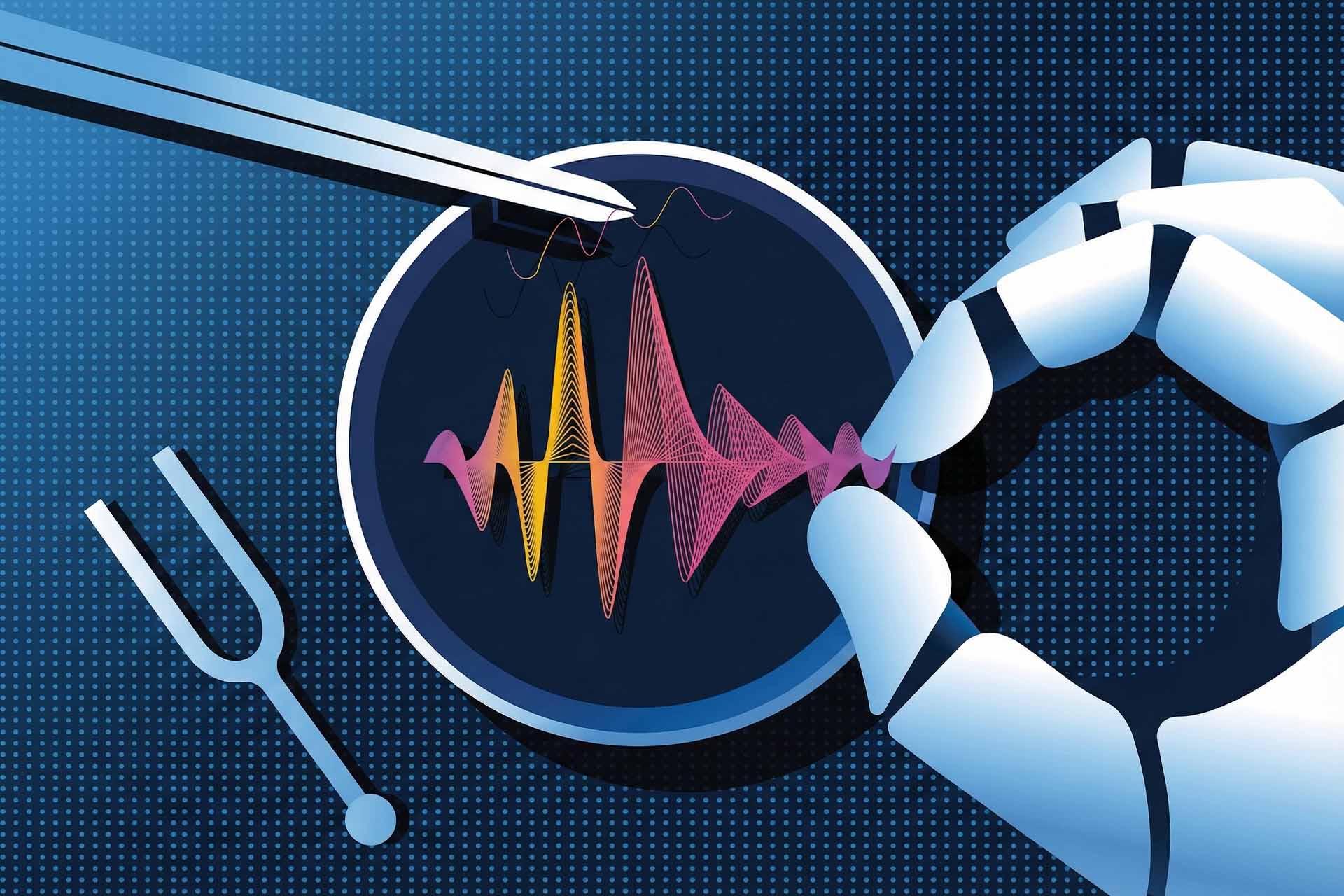
Voice is no longer just recorded sound—it’s becoming a reconstructible digital identity. AI Voice Cloning sits at the crossroads of stunning innovation and serious ethical concern. Is it a creative multiplier, or a disruption that challenges the livelihoods and rights of voice professionals?
How Does Voice Cloning Work?
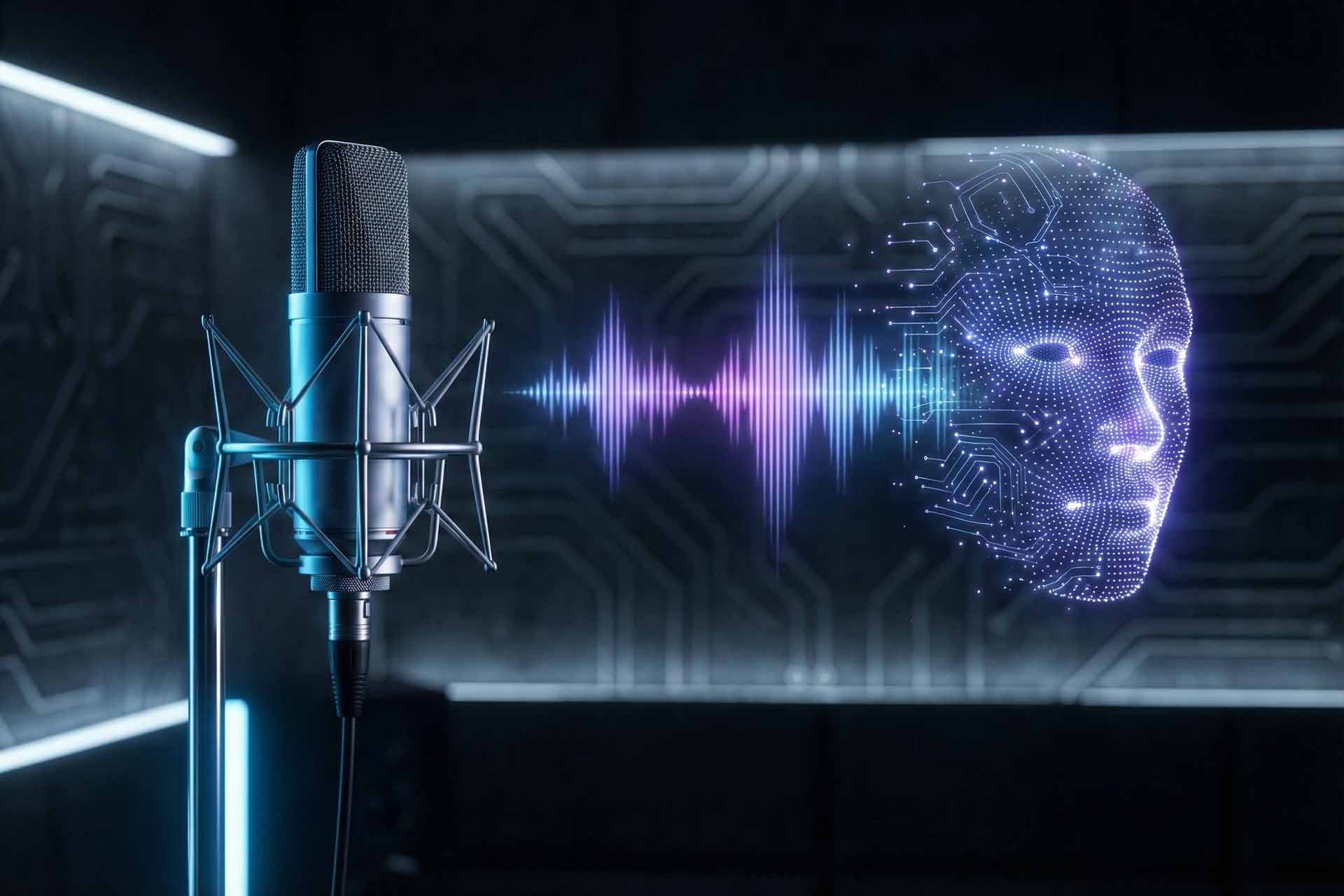
Modern systems rely on deep learning models trained to capture vocal signatures—tone, pace, articulation, and emotional texture. With a short audio sample, the model recreates a highly realistic synthetic voice capable of delivering new scripts convincingly.
Creative Benefits
- Multilingual output with a single voice
- Quick corrections without re-recording
- Faster, cost-efficient production
- Accessibility for users with speech impairments
The Risks
- Deepfake misuse and fraud
- Unclear voice ownership and consent
- Job market disruption for voice actors
- Ethical and legal accountability
Google’s Move: Voice Cloning in Google AI Studio
With the recent addition of voice cloning tools inside Google AI Studio, Google signals that responsible deployment matters as much as capability—pairing access with usage guidelines and safeguards.
Where Do We Go From Here?
The path forward lies in governance, consent-first workflows, and new business models that protect creators while enabling innovation—such as audio watermarking and explicit licensing.
Technology should elevate creativity, not erase it. The future of voice cloning depends on how thoughtfully we choose to use it.